

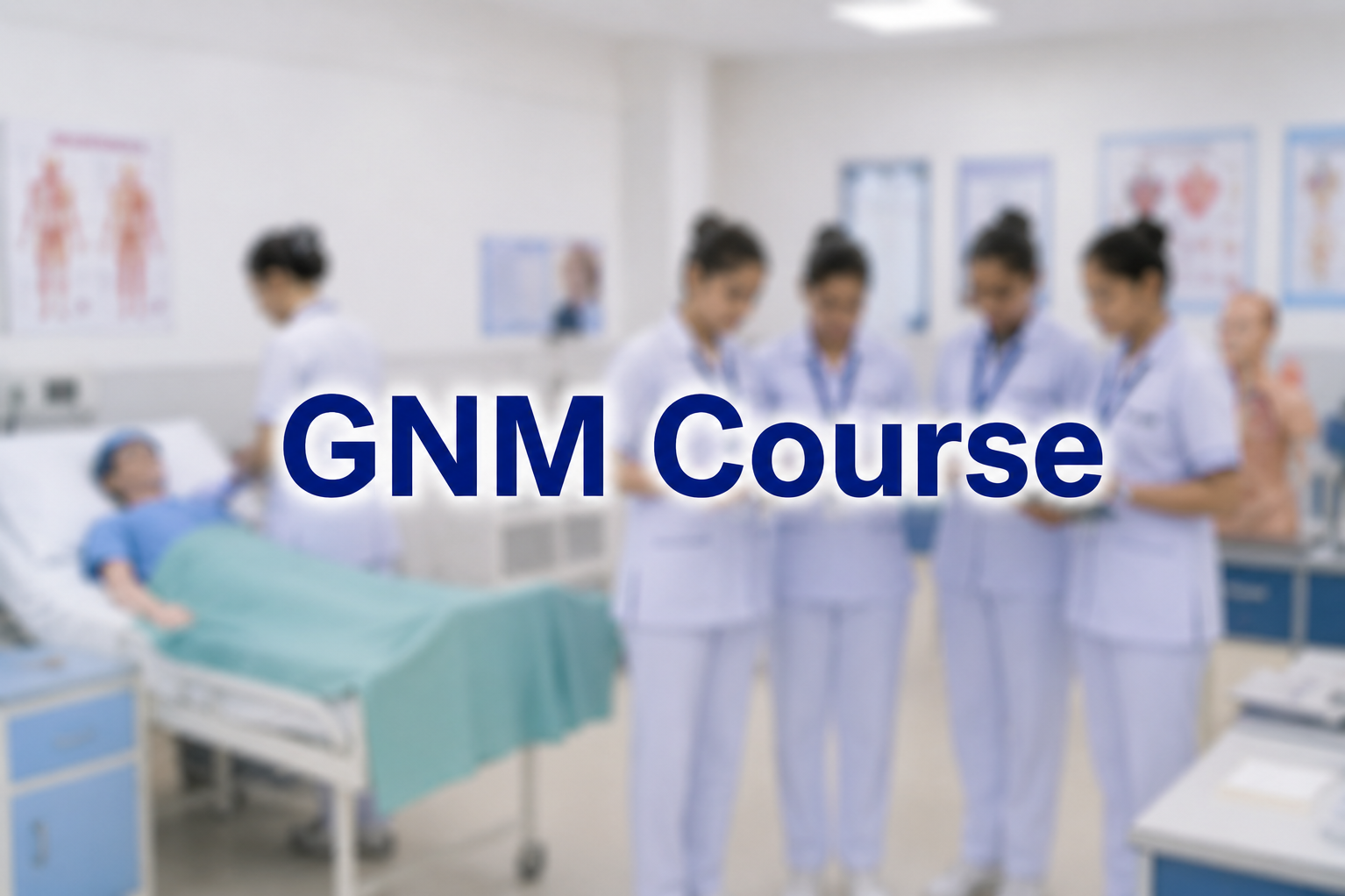
Clinical knowledge forms the backbone of quality nursing care. Whether caring for patients in emergency departments, maternity wards, or community health centres, nurses rely on a combination of scientific understanding and practical skills to make informed decisions. A GNM Course provides students with this strong foundation while preparing them for real healthcare responsibilities.
For students in Punjab who want to enter the nursing profession, understanding how a GNM program develops clinical competence can help them make informed educational choices.
Building a Strong Academic Foundation
The curriculum introduces students to subjects that support everyday nursing practice.
These commonly include:
- Anatomy
- Physiology
- Microbiology
- Pharmacology
- Nutrition
- Psychology
- Medical-surgical nursing
Learning these subjects enables students to understand how the human body functions and responds to treatment.
Practical Skills Make the Difference
Healthcare professionals must apply knowledge confidently.
Clinical training allows students to practice:
- Measuring vital signs
- Assisting with patient care
- Administering medications under supervision
- Wound care
- Maintaining patient records
- Supporting recovery processes
Repeated practice improves both competence and confidence.
Understanding Patient-Centred Care
Modern nursing focuses on treating individuals rather than illnesses alone.
Students develop the ability to:
- Listen actively
- Understand patient concerns
- Respect privacy
- Promote dignity
- Provide emotional support
These qualities contribute to better healthcare experiences.
Exposure to Different Departments
Clinical rotations introduce students to multiple specialties such as:
- General medicine
- Surgery
- Pediatrics
- Obstetrics
- Intensive care
- Community healthcare
This broad exposure helps learners identify future areas of professional interest.
Importance of Ethical Practice
Healthcare decisions often involve ethical considerations.
Students learn about:
- Confidentiality
- Professional responsibility
- Patient rights
- Informed consent
- Accountability
Ethical practice remains an essential part of nursing education.
Selecting a Nursing Institute
Students should evaluate:
- Hospital training opportunities
- Faculty experience
- Practical laboratories
- Student mentoring
- Academic reputation
Amar Professional College of Nursing supports nursing education through structured classroom learning and supervised clinical experiences that help students strengthen both theoretical and practical knowledge. More details can be found at amarnursing.com.
A GNM Course provides the clinical foundation that helps future nurses deliver safe, compassionate, and professional healthcare across a wide range of medical settings.