


The academic percentage, subjects, applicant category and admission route can change your eligibility for G.N.M., even after you meet the basic schooling requirement. By the end, you will know which documents to prepare, what training quality to inspect, which jobs follow registration and how G.N.M. connects to degree-level nursing.
Key takeaways
- Confirm 10+2 English, 40% marks and state council subject rules.
- Compare GNM with B.Sc. Nursing before choosing your qualification.
- Check clinical hours, hospital tie-ups, faculty and approval documents.
- Register with the State Nursing Council before applying for nursing jobs.
What academic and category rules apply to G.N.M. admission?
The baseline GNM eligibility is 10+2 with English and at least 40% aggregate marks. For GNM nursing admission criteria, science subjects are preferred, not universally compulsory; confirm whether your state council or college requires Physics, Chemistry and Biology.
1. Check your marksheet for English as a passed subject and calculate the aggregate percentage using the subjects named in the prospectus. A college may set a higher cut-off than the Indian Nursing Council baseline.
2. Read the reserved-category rule for your state. SC, ST, OBC, EWS or other applicants may receive a marks relaxation only when the current prospectus states the percentage, certificate format and issuing authority. Keep a valid caste or category certificate ready.
3. Confirm the policy for male applicants before paying an application fee. Some institutions admit men, while a particular state or college prospectus may restrict seats or apply separate conditions.
4. Ask whether open-school candidates qualify. Your board must be recognised, and the prospectus must accept that mode of study.
5. For a vocational qualification, obtain written confirmation that the certificate equals 10+2. Check vocational qualification board equivalence, required subjects and English separately.
Finally, verify the age cut-off, medical-fitness requirement, domicile rule and document deadlines. The latest state nursing council and college prospectus controls if it differs from the general baseline.
How does G.N.M. compare with B.Sc. Nursing and Post Basic B.Sc. Nursing?
A GNM diploma versus BSc Nursing is mainly a difference in academic level and progression route. GNM offers an earlier diploma entry into nursing practice, while B.Sc. Nursing provides a degree from the start. Post Basic BSc Nursing two-year degree study upgrades a registered GNM nurse’s qualification; it does not replace the four-year B.Sc.
Nursing route.
| Route | Entry qualification | Duration and curriculum | Clinical responsibility and progression |
|---|---|---|---|
| GNM | Usually 10+2, with required subjects and English; confirm state rules | Three-year GNM course, including supervised clinical internship; nursing foundations, medical-surgical care, maternal and child health, community nursing | Prepares you for registered staff-nurse duties under institutional protocols. Progression usually leads to Post Basic B.Sc. Nursing, then postgraduate study. |
| B.Sc. Nursing | Usually 10+2 with Physics, Chemistry, Biology and English; check current admission rules | Four-year BSc Nursing programme combining science, nursing theory, research, community health and extensive clinical practice | Builds degree-level preparation for staff-nurse roles, leadership, education and wider nursing career progression. |
| Post Basic B.Sc. Nursing | GNM qualification plus nurse-and-midwife registration; institutions often ask for two years’ experience | Two-year degree focused on advanced nursing theory, leadership, research and professional practice | Expands eligibility for degree-level posts and later M.Sc. Nursing, subject to university rules. It is not the same as completing basic B.Sc. Nursing. |
Clinical responsibility still depends on registration, employer policy and experience, not the qualification title alone. A GNM diploma alone is not the usual eligibility for M.Sc. Nursing or nursing-college teaching posts.
What happens during the G.N.M. admission process?
The GNM admission process usually moves from an online application to selection, counselling, document verification and fee payment. Check the state or institution prospectus for the application opening date, correction window, counselling schedule and final admission deadline.
Keep these GNM application documents ready:
- Class 10 and 10+2 marksheets and certificates
- School leaving certificate or transfer certificate
- Identity proof, such as Aadhaar card or passport
- Recent passport-size photographs
- Category, domicile or disability certificate, if applicable
- Medical fitness certificate from an authorised doctor
| Stage | What happens | What you must check |
|---|---|---|
| Application | Submit the form, documents and fee before the closing date. | Save the confirmation page and payment receipt. |
| Selection | The institution may use an entrance exam, a merit list, or both. | Check the syllabus, exam date and result notice. |
| Counselling | Eligible candidates choose or receive a seat according to rank and availability. | Carry originals and attend on the assigned date. |
| Document verification | Officials compare originals with uploaded records. | Resolve name, date-of-birth or marks discrepancies before verification. |
| Final admission | Pay fees and submit required undertakings by the admission deadline. | Obtain a written receipt and confirm the course start date. |
Missing a counselling or fee deadline can cancel your allotted seat, even after selection. Keep photocopies and digital scans of every document.
What do students actually learn and practise during G.N.M.?
A credible GNM training curriculum combines classroom knowledge with repeated, documented patient care. The usual programme includes three academic years with a supervised internship, but confirm whether the advertised duration includes that internship rather than counting classroom teaching alone.
- Classroom study: nursing foundation, anatomy and physiology, nutrition, pharmacology, community health nursing, maternal and child health, medical-surgical nursing, psychiatric nursing and professional communication.
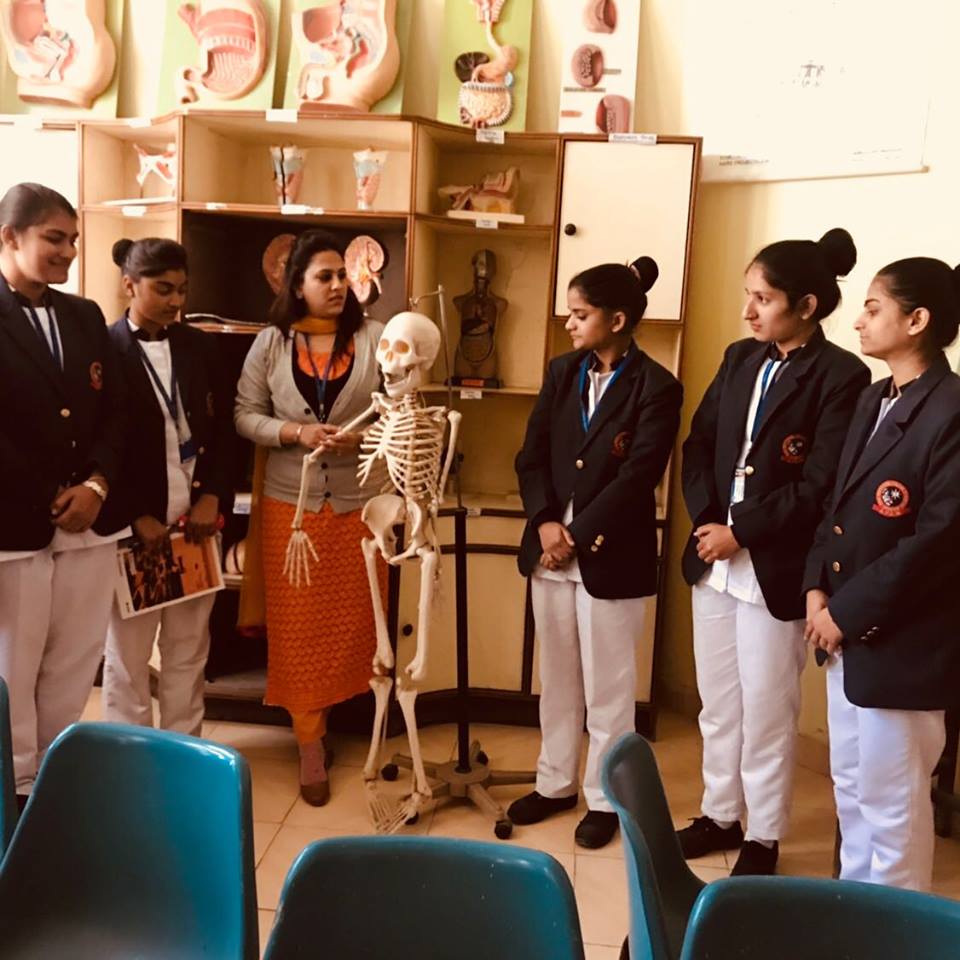
- Clinical rotation: supervised placements in adult medical-surgical wards, maternity and newborn units, paediatric services, community settings and mental-health units. Each placement should record dates, departments, procedures and supervisor signatures in a practical logbook.
- Assessment: attendance records, written tests, assignments, case studies, skills demonstrations, internal assessment and a practical examination. A pass based only on theory gives you little evidence of bedside competence.
- Practical skills: measuring and recording vital signs, patient assessment, medication administration, wound care, hygiene, mobility support, specimen handling, infection prevention, nursing documentation and emergency escalation.
Ask how many shifts involve direct patient care, who supervises students and what happens after a missed rotation. A credible supervised internship gives you responsibility in stages, with feedback before independent performance.
Limited clinical exposure can leave you formally qualified but less prepared for staff-nurse recruitment, where employers expect safe documentation, accurate medicines practice and prompt recognition of deterioration.
Which jobs and further-study options follow a recognized G.N.M.?
A recognized G.N.M. qualifies you to seek RN and RM registration with the State Nursing Registration Council. Registration is essential for lawful practice and many appointments; the diploma alone does not guarantee a job.
| Route | Typical opportunity | Entry conditions |
|---|---|---|
| Staff nurse or nursing officer | Hospital nursing, government nursing jobs and bedside care | Valid registration, document verification, medical fitness, and any written exam, age limit or experience rule set by the employer |
| Post Basic B.Sc. Nursing | Degree-level nursing posts and eligibility for later postgraduate study | Registered G.N.M. nurse; many institutions ask for about two years of professional experience |
| M.Sc. Nursing | Advanced clinical, academic or management roles | Usually requires B.Sc. Nursing or Post Basic B.Sc. Nursing, registration and university-specified experience |
| Overseas nursing registration | Employment after overseas nursing registration | Country-specific assessment, English-language proof, credential verification, licensing exam and visa requirements |
GNM career opportunities include medical-surgical wards, community health nursing, maternity and newborn care, emergency services, ICU and operating theatre posts. Specialist units can demand extra training or experience, while government nursing jobs often add a competitive examination and state recruitment conditions.
Post Basic B.Sc. Nursing is normally a two-year route. After it, M.Sc. Nursing can lead towards teaching eligibility, research or specialist practice; G.N.M. alone is not the usual academic entry for M.Sc. Nursing. Confirm the council, university and overseas regulator’s current rules before applying.
How can you judge whether a G.N.M. college is worth choosing?
Before paying admission fees, make GNM college selection a document check, not an advertising decision. Confirm recognition under the Indian Nursing Council framework, State Nursing Registration Council approval, and a three-year structure that includes supervised clinical internship. University affiliation alone does not guarantee eligibility for professional registration.
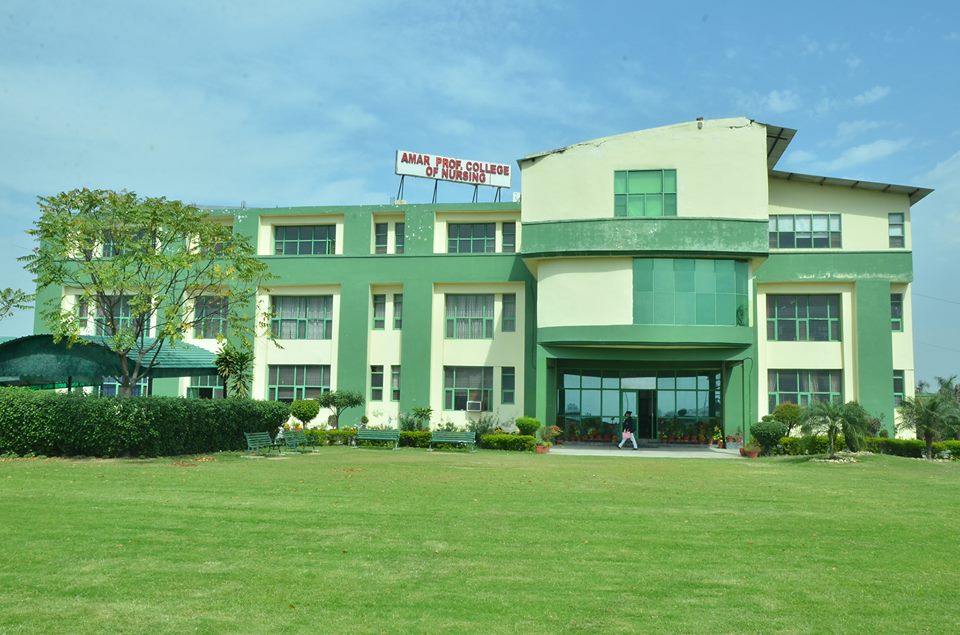
Ask Amar Professional College of Nursing 08048059238 for the current approval letter, affiliating council details, hospital affiliation agreement, rotation schedule, and recent student placement records.
| Check | Evidence to request | Warning sign |
|---|---|---|
| Recognition | INC framework compliance and course approval | Only an advertisement or university affiliation |
| Council status | State Nursing Registration Council approval | No council name or approval number |
| Clinical training facility | Hospital affiliation, rotation log, supervised patient contact | Few wards, no community postings, or vague promises |
| GNM placement quality | Documented adult, maternal-child, mental-health and community placements | No verifiable placement records |
Related products
 | ₹55000 Age: for entrance shall be 17 to 35 years as on 1st September of the year of Admission. View product → |
 | ₹60000 • The candidate should have passed 12 years of schooling from recognised school. View product → |
Frequently asked questions
What academic qualifications are required for GNM admission?
The baseline is 10+2 with English and at least 40% aggregate marks. Science subjects are preferred, so verify whether your state council or college requires Physics, Chemistry and Biology.
How does GNM compare with B.Sc. Nursing and Post Basic B.Sc. Nursing?
GNM is a diploma route into first-level nursing practice. B.Sc. Nursing is an undergraduate degree, while Post Basic B.Sc. Nursing is designed for eligible GNM-qualified nurses seeking a degree upgrade.
What happens during the GNM admission process?
You submit academic documents, meet the college or counselling requirements, complete verification and follow the applicable merit, entrance or seat-allotment process.
What do students learn and practise during GNM?
Training covers nursing foundations, medical-surgical nursing, maternal and child health, mental health, community health, pharmacology and supervised clinical practice.
Which jobs and further-study options follow a recognized GNM?
A recognized GNM can lead to staff nurse and related hospital or community nursing roles after required registration. Graduates can also consider Post Basic B.Sc. Nursing and other approved higher-study routes.
Related product
 | ₹60000 • The minimum age requirement shall be 17 years on or before 31st dec of the year of admission. View product → |