



A nurse can record a blood pressure accurately and still put a patient at risk if the result is not explained, documented, or escalated correctly. By the end, you will understand which communication behaviours and bedside procedures students need to practise together, and how to recognise meaningful clinical preparation.
Key takeaways
- Use clear handovers to prevent missed information and treatment errors.
- Confirm patient identity, allergies, medicines and instructions aloud.
- Adapt language, pace and explanations to each patient and family.
- Combine observation, empathy and clinical technique at the bedside.
How does communication protect patient safety?
Communication protects patient safety by preventing misunderstandings before they become clinical errors. It is a patient safety competency, not a soft skill: clear explanations support informed consent, medication accuracy, reliable pain assessment, treatment cooperation, and early recognition of deterioration.
A patient who understands what will happen is more likely to report a new symptom, follow instructions, and ask when something seems wrong.
A patient-centred communication strategy includes four checks:
- Ask what the patient already knows.
- Invite concerns, questions, and preferences.
- Use plain language instead of unexplained clinical terms.
- Confirm the next action and ask the patient to explain the plan back.
These steps improve medication histories and instructions, pain assessment, wound-care cooperation, and discharge teaching. They also reveal barriers such as fear, confusion, poor hearing, or limited health literacy before those barriers affect care.
Transitions create another safety risk because information can disappear between admission, ward transfer, handover, and discharge. Check specifically for omitted medicines, allergies, pending tests, changed observations, and altered treatment instructions; spoken information is not enough unless the receiver acknowledges or repeats critical details. A B.Sc.
Nursing student must practise these behaviours through teaching, simulation, supervision, and assessment. Waiting to absorb communication skills informally during placement leaves teamwork, patient engagement, and escalation to chance.
Which communication behaviours must nursing students practise?
A nursing student must make each interaction safe, respectful, and checkable—not merely polite. Introduce yourself and your role, confirm the patient’s name and date of birth against the identification band, and explain why you are there.
Practise active listening in nursing by facing the patient, allowing silence, reflecting key points, and noticing tone, posture, facial expression, or withdrawal.
| Skill | Observable practice | Clinical purpose |
|---|---|---|
| Open-ended questions | Ask, “What makes your pain worse?” rather than, “Your pain is better, right?” | Reveals the patient’s account without leading the answer |
| Plain-language explanations | Describe an unfamiliar procedure using ordinary words, its purpose, sensations, risks, and the next step | Supports consent and cooperation |
| Empathy and observation | Say, “You look worried; would you like to pause?” and respond to distress before continuing | Builds a therapeutic relationship |
| Professional boundaries | State what you can keep private, what must be shared for safety, and when you must involve your supervisor | Protects trust and patient safety |
| Teach-back method for nursing patients | Ask, “In your own words, how will you follow this plan?” | Checks whether your explanation was clear, not the patient’s intelligence or memory |
Students should practise these behaviours until they are consistent during assessment, education, and routine care. A supervisor can observe whether the student verifies identity, listens without interruption, explains clearly, recognises non-verbal cues, respects boundaries, and uses teach-back; these are measurable elements of clinical competence, not optional bedside manners.
How should nurses adapt communication for different patients and families?
Adapt the channel, pace, and wording to the patient’s ability to receive and respond. Communication with hearing loss requires facing the patient, keeping your mouth visible, reducing background noise, and using written prompts when appropriate; do not shout or speak while turning away.
- Ask how the patient prefers to communicate, then confirm identity and understanding before care.
- Allow extra response time for speech difficulty. Do not finish sentences, pretend to understand, or answer for the patient.
- Use short, one-step statements with a confused patient. Dementia and delirium communication differs: dementia is usually gradual and persistent, while delirium develops quickly and fluctuates. Report sudden confusion rather than treating it as baseline dementia.
- Use plain words, large clear print, pictures, or translated written instructions when literacy affects understanding. Check comprehension by asking the patient to explain the next step in their own words.
- Arrange a qualified medical interpreter for limited English proficiency. Do not use children, visitors, or untrained relatives to interpret clinical information, consent, risks, or discharge instructions.
- Ask about anxiety, cultural preferences, modesty, diet, spiritual practices, and religious requirements. Offer choices where safe and involve a trusted support person only with permission.
Patient privacy and family communication require a separate check: ask the patient what may be shared, with whom, and where. Speak quietly away from shared rooms and corridors. Escalate questions about diagnosis, prognosis, consent, or treatment decisions when they exceed your role.
How do communication and bedside skills work together?
A blood-pressure reading is safer when you explain the cuff before applying it, position the arm correctly, and watch for discomfort or anxiety that could affect the result. Nursing clinical skills depend on cooperation and observation, not hand movements alone.
1. Confirm identity, allergies, medication instructions, and consent before medication. Explain vital signs and pain scoring, ask open questions about pain, and report unexpected findings rather than guessing.
2. Describe each step of hygiene and wound care, while maintaining privacy and using infection-control technique. Observe skin colour, drainage, odour, temperature, and the patient’s response.
3. Explain why mobility assistance and repositioning are needed, obtain cooperation, and use safe handling. Check pressure areas and support pressure-injury prevention; stop and escalate if the patient becomes dizzy, breathless, or distressed.
4. During nutrition support, confirm the prescribed plan, check swallowing or feeding difficulty, and observe tolerance. Record intake and output accurately, label and handle specimens correctly, and explain what you are collecting.
5. In basic emergency response, state what you see, call for help, follow local protocol, and keep communicating with the patient. Do not leave important changes unreported.
Nursing documentation must record the time of care, findings, intervention, patient response, and escalation. Never guess, backdate, erase, or alter facts in a clinical record; correct an error according to the approved record system so the original entry remains traceable.
How can a nursing course build reliable teamwork and clinical judgement?
Reliable teamwork begins when students use the same communication steps under pressure, not when they simply know those steps individually. A structured SBAR handover—Situation, Background, Assessment, Recommendation—keeps essential information from disappearing during a shift change or referral.
1. Use SBAR handover to state why the patient needs attention, relevant history, current findings, and the action required.
2. Use closed-loop communication for high-risk information. The receiver acknowledges and repeats back medication orders, allergies, deteriorating observations, or pending tests; the sender confirms or corrects the message. A check-back prevents a spoken instruction from becoming an assumed instruction.
3. Practise the two-challenge rule nursing students need for speaking up: state the concern, repeat it if nobody responds, then escalate to a supervisor. This turns “I am worried” into a clear safety action.
Nursing simulation and deliberate practice let students rehearse handover, escalation, emergency teamwork, and difficult conversations without making a real patient the first test. Feedback should identify both the clinical decision and the communication failure; supervised placement is still necessary to transfer these behaviours to real wards, interruptions, and hierarchy.
When comparing B.Sc. Nursing colleges, ask whether students practise these behaviours in skills labs and simulation, receive direct feedback, and are assessed on procedure and communication rather than attendance alone. Amar Professional College of Nursing 08048059238 is one college to ask about these assessment arrangements in Chandigarh before choosing a course.
Related product
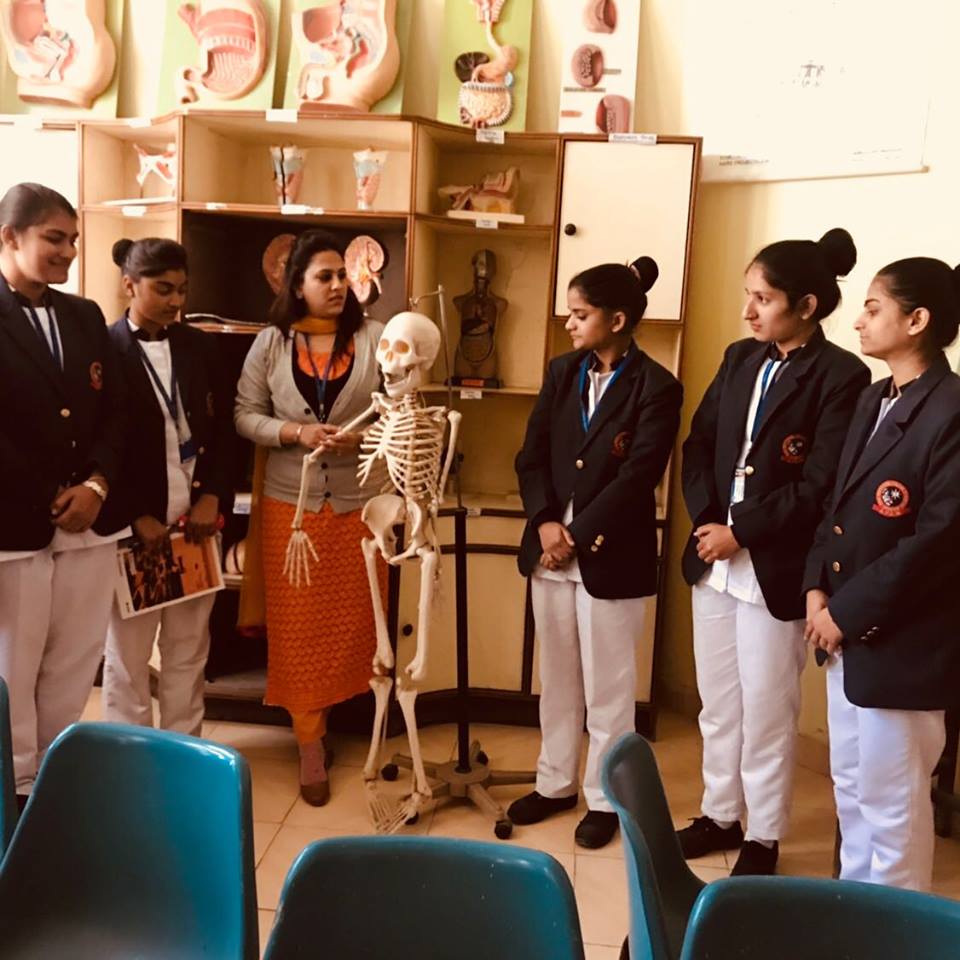 | ₹60000 • The minimum age requirement shall be 17 years on or before 31st dec of the year of admission. View product → |
Frequently asked questions
How does communication protect patient safety?
Clear communication prevents misunderstandings during consent, medication administration, pain assessment, treatment instructions and escalation of deterioration.
Which communication behaviours must nursing students practise?
Students should practise active listening, plain-language explanations, closed-loop communication, accurate documentation, structured handovers and respectful questioning.
How should nurses adapt communication for different patients and families?
Adjust language, pace, tone, visual support and interpretation arrangements to the patient’s age, condition, culture, health literacy and preferred language.
How do communication and bedside skills work together?
Nurses combine observation, physical assessment, empathy and clear explanations to identify changes, reduce anxiety and deliver safer care.
How can a nursing course build reliable teamwork and clinical judgement?
Practice in simulations, supervised placements, handover exercises, case discussions and reflective feedback helps students make decisions and communicate them reliably.