


An OT attendant must keep patients, equipment, supplies and the theatre environment moving safely while surgeons, nurses and anaesthesia staff perform clinical work. By the end, you will know which practical competencies a course should build, where the attendant’s authority ends, and how to judge whether training reflects real operating-theatre conditions.
Key takeaways
- Verify patient identity, procedure and site before transfer or positioning.
- Practise room checks, equipment handling and safe patient handover.
- Treat aseptic breaches as immediate problems requiring escalation and correction.
- Choose courses with supervised theatre practice, safety drills and competency checks.
What an OT Attendant Does Before, During and After Surgery
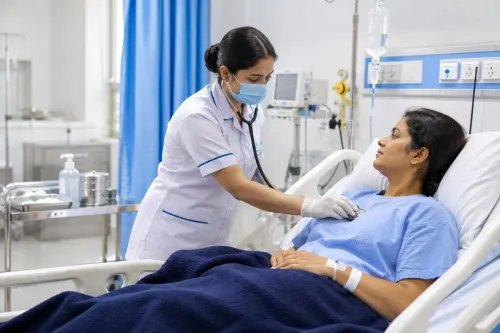
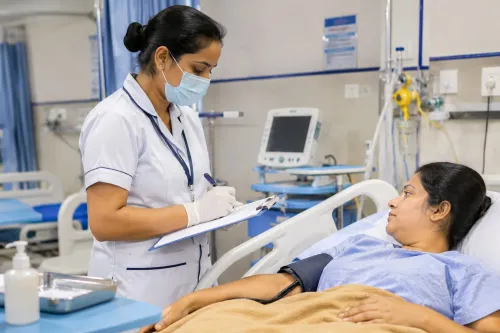
Before surgery, an OT attendant prepares the room, equipment and patient for a safe handover. The role includes checking lights, suction, furniture, supplies and protective equipment; helping trained staff transfer and position the patient; securing lines and drains; applying brakes; and verifying identity, procedure and site with two identifiers.
During surgery, the attendant provides operation theatre support by obtaining supplies, opening packs without contaminating them, controlling traffic and handling non-sterile items. The attendant joins the three verbal pauses in the WHO Surgical Safety Checklist and reports discrepancies immediately.
| Role | Main responsibility | How it differs from the OT attendant role |
|---|---|---|
| OT attendant | Room preparation, transfer, supplies, waste and turnover | Does not diagnose, administer anaesthesia, perform invasive procedures or make clinical decisions |
| Scrub nurse | Protects the sterile field and handles sterile instruments | Does not leave sterile duties to perform general support work |
| Circulating nurse | Coordinates the non-sterile room, documentation, counts and escalation | Retains registered-nurse responsibilities beyond attendant authority |
| Surgical technologist | Supports sterile instruments and technical theatre tasks within scope | Is not replaced by a general support worker |
| Anaesthesia technician | Prepares and supports anaesthesia equipment under direction | Does not transfer into independent anaesthesia care |
Counts of sponges, needles and instruments occur with the designated scrub nurse and circulating nurse. An unreconciled count requires immediate escalation, not silent continuation. After surgery, the attendant helps transfer the patient, routes specimens as directed, segregates sharps and biomedical waste, removes used materials, cleans and resets the room.
Hand hygiene remains necessary before gloves and after removal.
The Operating-Theatre Workflow Students Practise Step by Step
An OT attendant follows a repeatable OT workflow: open the room, verify readiness, support the case, and return the theatre to a safe starting condition. A theatre preparation checklist replaces memory with visible checks.
1. Inspect cleanliness, lights, suction, oxygen connections, operating table, trolley brakes, emergency access and electrical cables. Report damaged equipment instead of improvising a repair.
2. Confirm sterile packs, linen, gloves, gowns, sharps containers, waste bins, specimen containers and requested consumables are available. Check labels and package integrity without opening sterile items unnecessarily.
3. Receive the patient with the authorised team. Use two identifiers, confirm the planned procedure and operative site, apply brakes, secure lines and drains, and use enough trained staff and suitable transfer equipment.
4. Assist with patient transfer and positioning under the direction of the registered nurse, anaesthetist or surgeon. Keep restricted-area behaviour, hand hygiene and traffic control consistent throughout the setup.
5. During the operation, fetch supplies, adjust room support items when instructed, pass messages, maintain clear access and report spills, missing equipment or safety concerns. Join the WHO Surgical Safety Checklist pauses rather than treating them as paperwork.
6. After the patient leaves, remove used items into the correct containers, segregate sharps and biomedical waste, and handle specimens according to the receiving team’s instructions.
7. Clean spills immediately, clean touch surfaces between cases, and complete terminal cleaning after the list using the facility’s disinfectant contact time. Wiping a product dry too soon can leave surfaces inadequately disinfected.
8. Reset the operating table, supplies, bins and emergency access, then document faults and hand over the room for the next case. An attendant supports this sequence; invasive procedures and clinical decisions remain outside independent authority.
Aseptic Practice, Waste Segregation and Response to Breaches
Hand hygiene must happen before donning gloves, after removing them and whenever contamination occurs; gloves never make dirty hands safe. Students practise routine hand hygiene and surgical hand preparation, correct PPE selection, and movement between sterile and non-sterile zones without crossing or reaching over a sterile field.
They also learn that cleaning removes soil, disinfection reduces microorganisms and sterilization destroys all microbial life. Visible cleanliness or a chemical indicator colour change alone does not prove that a pack is sterile.
| Practice | Correct behaviour | If compromised |
|---|---|---|
| Sterile field | Keep sterile items above waist level and in view; do not touch them with non-sterile gloves | Stop, identify the contact and inform the circulating nurse |
| Sharps disposal | Do not recap, bend or remove contaminated needles by hand; use immediate sharps disposal in a closable, puncture-resistant container | Isolate the hazard and report a needlestick or overfilled container at once |
| Biomedical waste | Place each item in the facility’s colour-coded biomedical-waste container | Do not retrieve waste by hand; stop and ask for correction |
| Specimens | Match the label and requisition before handover and prevent leakage | Hold the handover until the discrepancy is resolved |
A practical course makes students perform, not merely describe, these actions. After a breach, they should stop the affected activity, keep people away from the contaminated area, alert the responsible nurse, replace contaminated gloves or supplies, and repeat cleaning, disinfection or sterilization as directed. They must document the event and follow the hospital’s exposure-reporting procedure.
Patient Safety Skills That Matter Under Pressure
Before any move, patient identification must match the wristband, records and verbal confirmation using two identifiers, such as full name and date of birth. Training then turns safe lifting and transfer into a practised sequence rather than a rushed task.
1. Check the transfer plan, use the correct trolley or transfer aid, apply brakes, secure lines and drains, and involve enough trained staff. Tell the patient what will happen, coordinate the lift aloud, and report pain, dizziness or instability.
During positioning, protect bony prominences, avoid excessive joint extension, keep the airway and monitoring equipment accessible, and report numbness, pressure or breathing difficulty immediately.
2. Participate in the surgical safety checklist’s three verbal pauses: before anaesthesia, before skin incision and before the patient leaves the operating room. Confirm identity, planned procedure and operative site, then speak up when information conflicts; the checklist contains 19 items and is not paperwork to complete later.
3. Support sponge, needle and instrument counts with the designated scrub and circulating personnel at required stages. If a count does not reconcile, stop silent continuation and escalate immediately.
For specimen handling, confirm the container and identifiers aloud, protect the specimen from loss or contamination, and hand it over according to local policy without interpreting results.
4. During an emergency, use the chain of command, repeat instructions clearly, fetch requested equipment and keep access routes clear. Document times, transfers, handovers, counts, specimens and discrepancies factually; never diagnose, alter clinical orders or perform invasive work beyond delegated authority.
How to Judge Whether an OT Attendant Course Is Job-Ready
A certificate is not proof that you can work safely in an operating theatre. Inspect how the course tests performance, not just whether it issues a certificate.
Ask to see whether students complete a practical assessment using observable tasks:
- Open and close a theatre with a checklist covering lights, suction, oxygen, sterile packs, sharps containers, waste bins and emergency supplies.
- Check common OT equipment without exceeding delegated authority, and report a fault clearly.
- Transfer and identify a patient safely, segregate waste using the facility’s biomedical waste colour coding, hand over a specimen and document events.
- Respond to a contamination breach, missing count or equipment failure instead of silently continuing.
| Evidence | What it proves | What it does not prove |
|---|---|---|
| Certificate and written exam | You completed teaching and recalled information | That you can perform safely under pressure |
| Practical assessment observed by an instructor | You demonstrated specified tasks in a controlled setting | That you know every hospital’s policy or equipment |
| Supervised clinical practice with documented feedback | You worked under oversight and corrected errors | That you can work independently from day one |
| Site orientation after joining | You learned local routes, forms, equipment and delegation limits | That classroom training alone was enough |
Check the working conditions before enrolling: shift timing, standing, lifting, PPE, exposure to blood and restricted-area rules. A credible career pathway explains placement, supervision and feedback rather than promising instant employment.
Amar Professional College of Nursing 08048059238 can be asked whether its nursing programmes provide documented OT exposure, named supervisors and a clear boundary between student learning and delegated clinical duties.
Frequently asked questions
What does an OT attendant do before, during and after surgery?
Before surgery, the attendant checks the theatre, equipment, supplies and protective equipment, then supports patient transfer, positioning and safety checks. During surgery, the attendant assists the trained team within their scope and responds to equipment or supply needs. After surgery, the attendant helps with safe transfer, room turnover, waste segregation, cleaning and equipment readiness.
What operating-theatre steps do students practise in an OT attendant course?
Students practise the workflow from theatre preparation and equipment checks through patient handover, positioning, intraoperative support, recovery transfer and room turnover.
How should an OT attendant respond to an aseptic breach?
Stop the affected task, alert the responsible clinical professional, isolate or replace contaminated items, and record or report the breach according to the facility procedure. Do not conceal or work around contamination.
Which patient safety skills matter most for an OT attendant?
Key skills include using two patient identifiers, confirming the procedure and site, applying stretcher and table brakes, securing lines and drains, preventing falls, communicating clearly and escalating hazards immediately.
How can you judge whether an OT attendant course is job-ready?
Check whether the course includes supervised operating-theatre exposure, practical assessment of aseptic technique and equipment checks, waste-segregation drills, patient-transfer practice, emergency escalation and documented competency feedback.