

Choosing a career in nursing is about much more than earning a degree. A B.Sc. Nursing courses help students develop practical, technical, and interpersonal skills that prepare them to work confidently in hospitals, clinics, rehabilitation centres, and community healthcare settings. As healthcare services continue to expand across Punjab and the rest of India, trained nursing professionals are becoming increasingly valuable in every area of patient care.
Students often believe nursing is limited to assisting doctors, but the profession involves patient assessment, healthcare planning, emergency response, communication, and leadership. A well-structured B.Sc. Nursing programs provide the knowledge and experience needed to perform these responsibilities effectively.
Clinical Assessment Skills
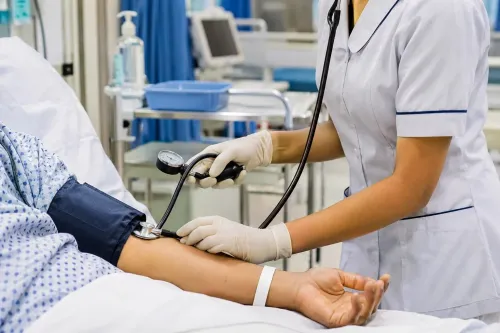
One of the first competencies students develop is patient assessment. Nurses learn how to:
- Monitor vital signs
- Identify changes in patient conditions
- Maintain accurate health records
- Observe symptoms that require immediate medical attention
These skills form the foundation of safe and effective nursing practice.
Strong Communication Abilities
Healthcare depends on clear communication. Throughout a B.Sc. Nursing course, students practice interacting with:
- Patients
- Family members
- Doctors
- Specialists
- Laboratory staff
- Pharmacists
Good communication improves patient outcomes, reduces misunderstandings, and supports teamwork in busy healthcare environments.
Practical Clinical Experience
Theory becomes meaningful when students apply it during clinical training. Practical exposure helps learners understand hospital procedures while gaining confidence in handling real patient situations.
Clinical learning generally includes:
- Medical wards
- Surgical departments
- Intensive care units
- Pediatric wards
- Maternity care
- Community health centres
Hands-on experience prepares students for professional responsibilities after graduation.
Critical Thinking and Decision Making
Every patient presents unique challenges. Nursing students learn to evaluate symptoms, prioritize care, and respond appropriately during routine and emergency situations.
Rather than memorizing procedures alone, students develop analytical thinking that helps them make informed clinical decisions.
Infection Prevention and Patient Safety
Maintaining hygiene and preventing infections are essential responsibilities for every nurse.
Students receive practical training in:
- Sterilization techniques
- Hand hygiene
- Biomedical waste management
- Personal protective equipment usage
- Safe medication administration
These practices help reduce healthcare-associated infections and improve patient safety.
Leadership and Teamwork
Modern hospitals depend on coordinated healthcare teams. Nursing professionals frequently supervise junior staff, coordinate patient care, and communicate across departments.
Leadership training often includes:
- Delegating responsibilities
- Time management
- Ward coordination
- Ethical decision-making
- Professional accountability
These skills support career advancement over time.
Compassion and Emotional Intelligence
Technical knowledge alone is not enough in nursing. Patients often experience anxiety, fear, and uncertainty during treatment.
Students learn how to:
- Build patient trust
- Offer emotional support
- Respect patient dignity
- Handle sensitive situations professionally
Compassionate care remains one of the defining qualities of successful nurses.
Digital Healthcare Skills
Healthcare technology continues to evolve rapidly. Many hospitals now use electronic health records and digital monitoring systems.
A modern nursing curriculum introduces students to:
- Electronic documentation
- Patient information systems
- Medical equipment handling
- Digital healthcare workflows
Technology awareness makes graduates more adaptable in contemporary healthcare settings.
Career Readiness
Graduates of a B.Sc. Nursing course can explore opportunities in:
- Multi-speciality hospitals
- Government healthcare institutions
- Community health programs
- Nursing education
- Home healthcare
- Research organizations
As healthcare demand grows throughout Punjab, professionally trained nurses continue to find opportunities across both urban and rural healthcare settings.
Amar Professional College of Nursing offers a learning environment where classroom education is combined with practical clinical exposure, helping students develop the professional skills expected by today's healthcare sector. Students exploring details about admission, curriculum, and campus facilities can also refer to amarnursing.com for additional information.
Building strong clinical knowledge, communication abilities, ethical values, and practical confidence during a B.Sc. Nursing courses create a solid foundation for a long-term career dedicated to quality patient care.